Column · @durablescreenprintspoint
The Real Value of Durable Screen Prints for Business Apparel
Why Screen Printing Still Matters for Your Brand
When I started managing uniforms for a mid-sized logistics company in Southern California, I quickly learned that not all printed apparel is created equal. We had tried heat transfers, direct-to-garment printing, and even embroidery for certain items. Each method has its place, but for the sheer volume of wear and washing our crews put their shirts through, nothing held up like durable screen prints. The difference became obvious within the first few months: colors stayed vibrant, edges remained sharp, and the fabric itself showed less wear around the printed areas.
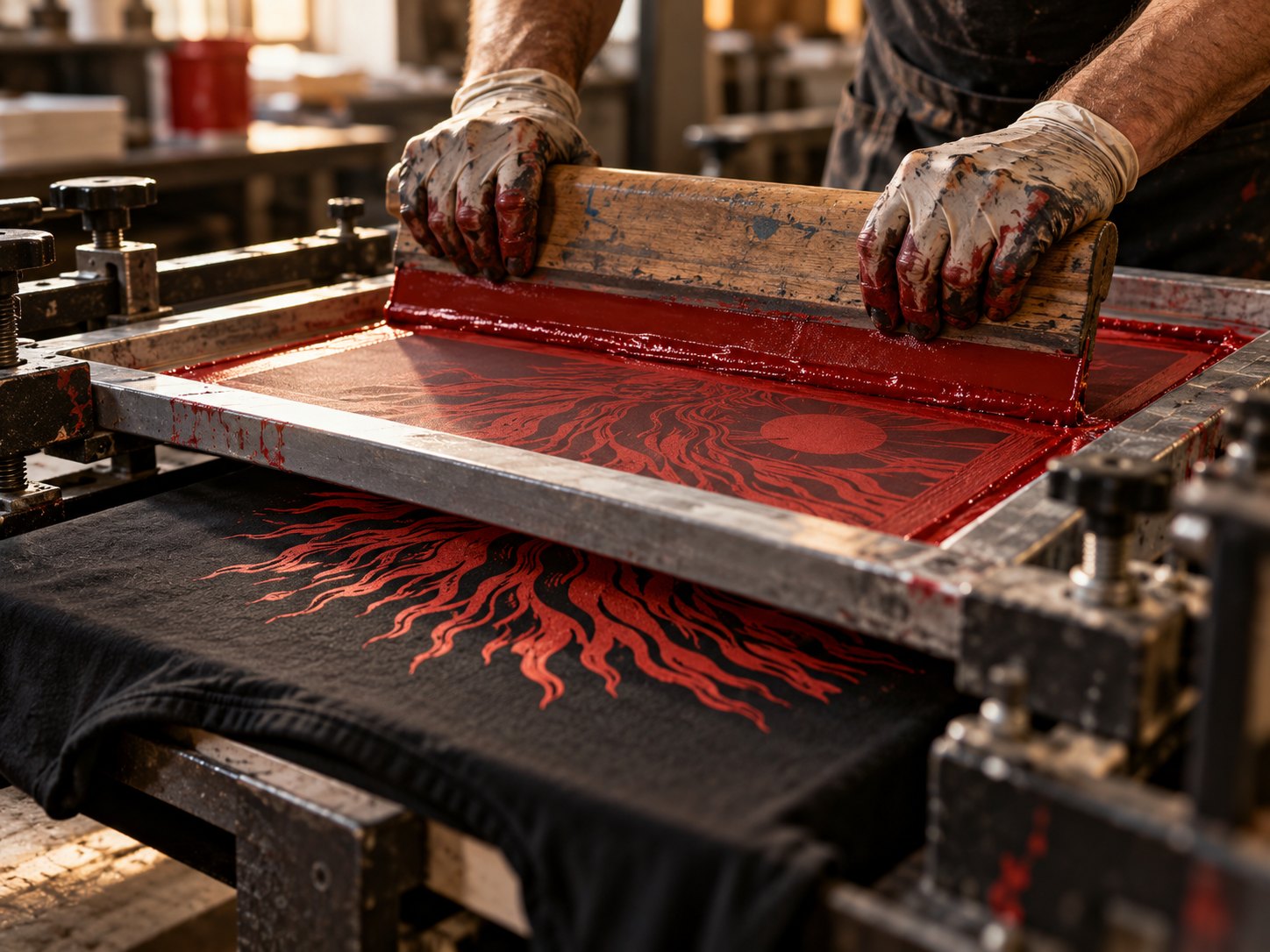
Screen printing is an old technique, but it remains the gold standard for high-volume, long-lasting results. The process involves forcing ink through a mesh stencil directly onto the garment. Each color requires its own screen, which means setup costs are higher than other methods. But when you need consistency across hundreds or thousands of pieces, that upfront investment pays off fast. I have seen too many businesses save a few dollars per shirt on a cheaper printing method only to reorder replacements within a year. That is not really a saving; it is deferred expense with interest.
What Makes Screen Prints Last
The durability of a screen print comes down to three things: ink quality, curing process, and garment choice. Plastisol inks are the industry standard for longevity. They sit on top of the fabric fibers rather than soaking in, which gives that slight raised feel and excellent color opacity. When properly cured at the right temperature, plastisol bonds with the fabric in a way that resists cracking and fading through many wash cycles.
Water-based inks have gained popularity for their softer hand feel and environmental profile, but they generally do not match the long-term durability of plastisol on cotton or poly-cotton blends. If your crew works outdoors, handles chemicals, or simply goes through a lot of laundry detergent, plastisol is usually the smarter choice. I have tested both on the same garment types, and after twenty washes the difference in color retention was stark.
The Curing Process Is Non-Negotiable
Even the best ink fails if the curing step is rushed or done at the wrong temperature. Curing turns the liquid plastisol into a solid film that fuses with the fabric. Under-cured prints wash out or crack quickly. Over-cured prints become brittle and can peel. A reliable screen printer uses a conveyor dryer with precise temperature control and dwell time. This is where experience matters more than equipment. I have seen automated dryers on fancy machines produce worse results than a skilled operator with a basic setup, because the operator knew exactly how each garment type behaved under heat.
Garment Selection Affects Longevity
You can put a perfect print on a cheap shirt and still end up with a faded, peeling result after a few washes. The fabric itself plays a major role in how well the print holds. Ringspun cotton or cotton-polyester blends with a higher thread count provide a smoother surface for the ink to adhere to. Heavier weight fabrics, like 6-ounce or 7-ounce tees, also tend to hold prints better because the fibers are denser and less prone to distortion in the wash.
One mistake I often see is choosing a garment purely based on upfront cost. A low-cost tee might save two dollars per unit, but if the print fails after three months, you have to reprint the entire order. That extra cost, plus the labor of redistributing new shirts to your team, far outweighs the initial saving. For business apparel that represents your brand every day, it makes sense to invest in mid-range or better blanks from reputable mills. The print is only as durable as the foundation it sits on.
Practical Scenarios Where Durability Matters Most
Not every screen print needs to survive a war zone, but many commercial applications come close. Here are a few situations where durable screen prints are not just nice to have but essential:
Connect with us on Instagram.
- Warehouse and logistics crews who wash uniforms multiple times per week, often with industrial detergents.
- Food service staff whose shirts face grease, steam, and frequent high-temperature wash cycles.
- Construction and trade workers whose apparel rubs against tools, harnesses, and rough surfaces all day.
- Sports teams and leagues that require consistent appearance across many games, practices, and washes.
- Promotional events where a single run of shirts must represent a brand for years, not just one season.
In each of these cases, the cost of a failed print goes beyond the shirt itself. It damages brand perception and erodes trust. A faded, cracked logo on a delivery driver's uniform sends a message that the company does not pay attention to details. That is not the impression any serious business wants to make.
Why Not Just Use Embroidery or Direct-to-Garment?
Embroidery is excellent for certain items like polos, jackets, and hats. It gives a premium look and exceptional durability when done well. But embroidery has limits: it does not work well on very lightweight fabrics, it cannot reproduce fine details or gradients easily, and it adds noticeable weight and stiffness to the garment. For large orders of t-shirts or sweatshirts, embroidery is often too slow and too expensive per piece.
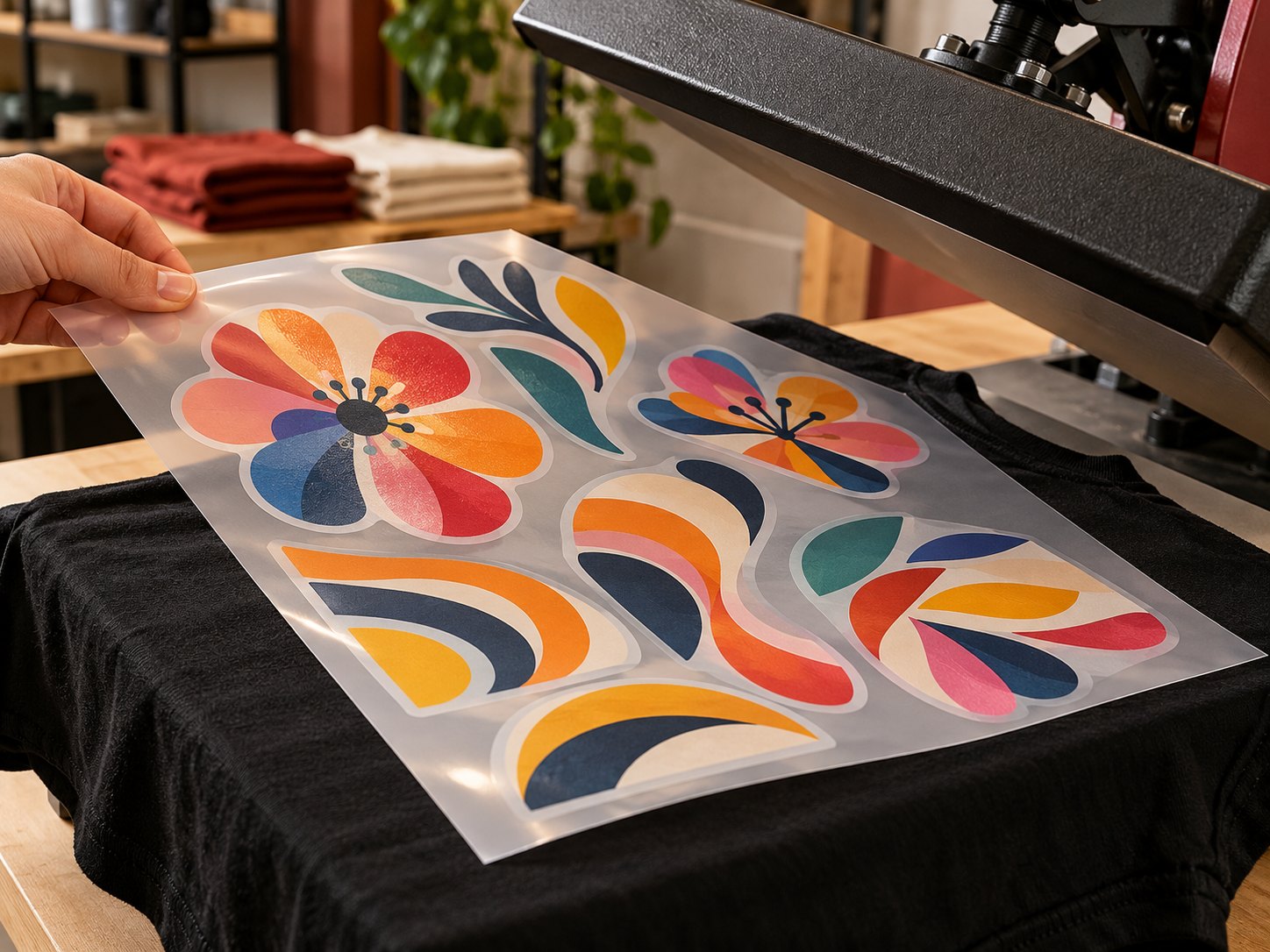
Direct-to-garment (DTG) printing offers full-color without screens, which is great for small batches or complex artwork. But DTG prints are generally less durable than screen prints. The ink sits more on the surface and can fade or wash out faster, especially on dark garments where a white underbase is required. For a one-off custom order, DTG is fine. For a company uniform that needs to look professional after fifty washes, screen printing is still the better bet.
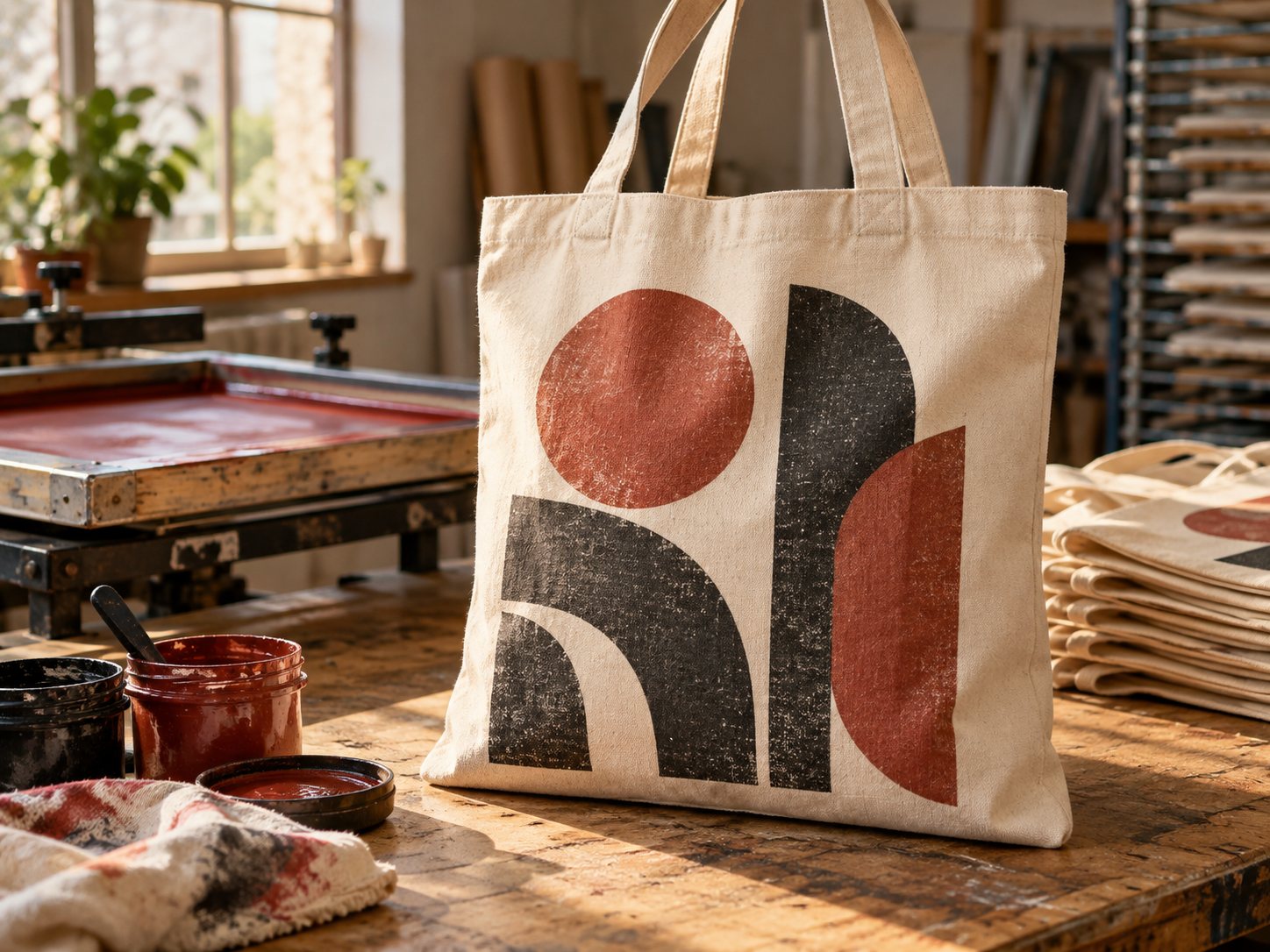
There is also the matter of feel. DTG prints tend to have a softer hand, which some people prefer for casual wear. But that softness comes at the cost of durability. Screen prints have a slight texture that signals quality and permanence. When I hand a shirt to a client, the first thing they often comment on is how solid the print feels. That tactile confidence matters.
How to Choose a Screen Printer That Delivers Durability
Not every shop produces the same quality. Here are a few things I look for when vetting a printer for a long-term apparel program:
- Ask about their ink brand and curing process. A good printer will talk openly about the materials they use and why. If they hesitate or give vague answers, that is a red flag.
- Request wash test samples. Any reputable printer can run a few shirts through a standard home or commercial wash cycle and show you the results. I always ask for a sample that has been washed at least five times before I commit to a large order.
- Check the garment they recommend. If they push the cheapest blank in their catalog, they may be more focused on margin than on your long-term satisfaction. A printer who advises you on fabric weight and composition is invested in your outcome.
- Look at their past work for similar clients. If they have done uniforms for a construction crew or a restaurant chain, they understand the demands. If their portfolio is mostly single-run event shirts, they might not have the same focus on durability.
Balancing Cost and Longevity
The cheapest quote is rarely the best value when apparel durability matters. I have seen companies go with a low bidder, only to have prints crack within weeks. The reorder cost, plus the hassle of collecting old shirts and distributing new ones, wiped out any initial saving. On the other hand, paying a premium for a printer who uses top-tier materials and meticulous process control is an investment that pays back over the life of the garment.
A good rule of thumb is to calculate the cost per wear, not the cost per shirt. If a shirt costs $15 and lasts 100 wears, that is $0.15 per wear. If a cheaper shirt costs $10 but only lasts 30 wears, that is $0.33 per wear. The math is clear. For businesses that want their brand to look consistent and professional over time, choosing a printer who prioritizes durable screen prints is the smart financial decision.
I have also found that a well-done screen print holds up better in commercial laundry settings than most people expect. The combination of proper cure, quality ink, and compatible fabric means the print can outlast the garment itself. I have seen ten-year-old shirts still in rotation at a friend's auto shop, with the logo still readable and intact. That kind of longevity is not an accident; it is the result of deliberate choices at every step of the process.
Final Thoughts on Making the Right Choice
Screen printing is not the flashiest technology in the apparel world, but it remains the workhorse of the industry for a reason. When your brand depends on consistent, long-lasting visuals across a fleet of shirts, jackets, or hats, there is no substitute for a properly executed screen print. The upfront investment in setup and quality materials pays for itself many times over in reduced replacement costs and stronger brand recognition.
If you are planning a uniform program or a large promotional run, take the time to find a printer who understands the importance of durable screen prints. Ask the right questions, request samples, and choose garments that complement the printing method. Your brand deserves more than a temporary impression. It deserves something that lasts.
DSP Printing, located at 11611 Salinaz Dr Ste O, Garden Grove, CA 92843, USA, offers custom screen printing and embroidered apparel services for businesses and organizations in the area, and can be reached at +1 714-951-4919 for those looking to discuss their specific needs.